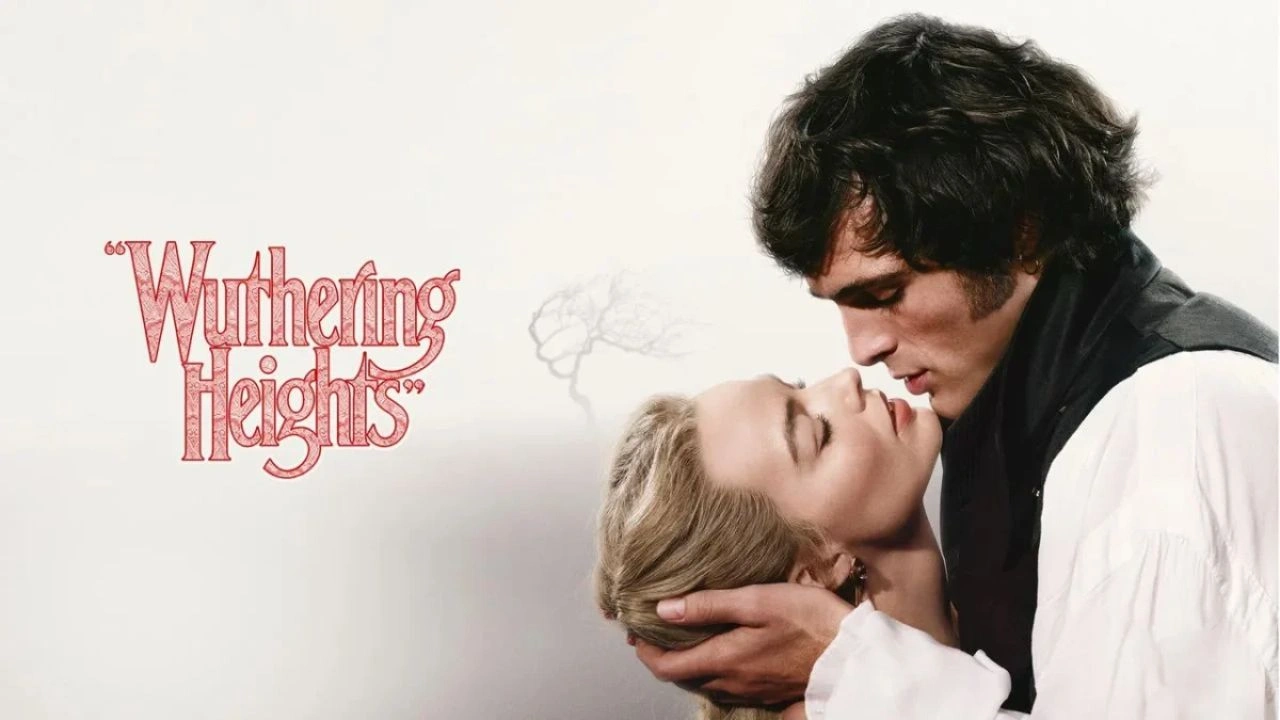
Wuthering Heights Movie: Few novels in English literature have sparked as much debate and fascination as Wuthering Heights. Written by Emily Brontë and first published in 1847, the novel initially shocked Victorian readers with its raw emotional power and morally ambiguous characters. Over time, it has become a cornerstone of gothic fiction and romantic tragedy.
At its heart lies a love story defined not by tenderness, but by obsession, pride, and revenge. The relationship between Heathcliff and Catherine Earnshaw defies easy categorisation. It is passionate yet destructive, intimate yet deeply flawed. Their bond transcends social conventions but ultimately collapses under the weight of ego, ambition, and societal pressures.
This new adaptation does not merely retell the story; it seeks to reinterpret it for a generation that is increasingly interested in emotional complexity. Rather than presenting Heathcliff and Catherine as romantic ideals, the film appears poised to examine the darker implications of their attachment. In doing so, it continues the novel’s tradition of challenging audiences rather than comforting them.
Emerald Fennell’s Vision: A Director Unafraid of Emotional Extremes
Emerald Fennell has established herself as a filmmaker who thrives on moral ambiguity and layered storytelling. Her previous work demonstrated a willingness to explore flawed characters and uncomfortable truths, making her an inspired choice to helm this adaptation.
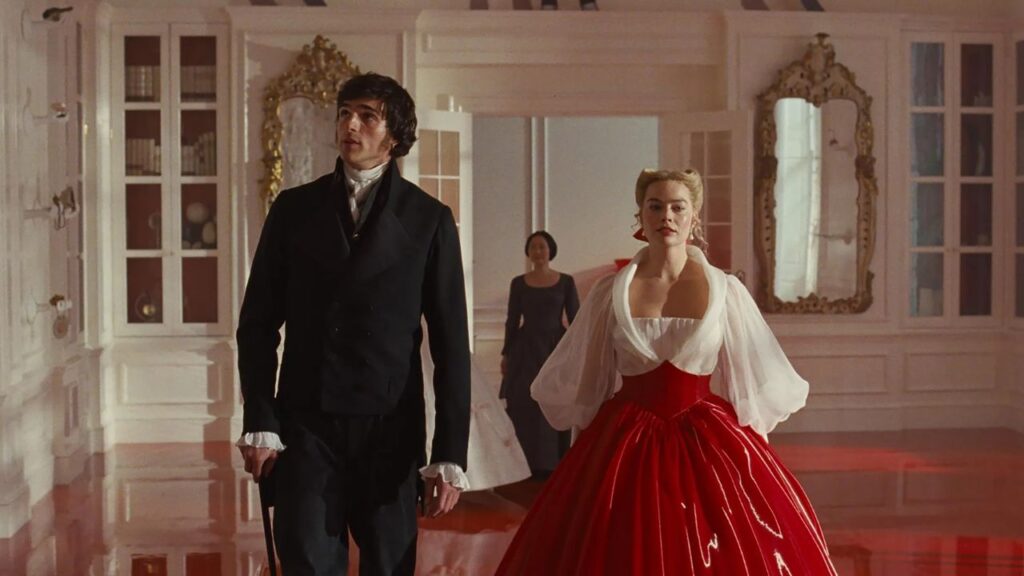
Wuthering Heights demands a director capable of navigating emotional volatility without descending into melodrama. Fennell’s signature style—marked by psychological nuance, striking visual symbolism, and bold tonal shifts—aligns perfectly with the novel’s atmosphere.
Insiders suggest that the film will prioritise the internal landscapes of its characters as much as the external moorland setting. Heathcliff’s transformation from an orphaned outsider into a vengeful patriarch requires careful handling. Catherine’s struggle between personal authenticity and social aspiration demands emotional depth rather than theatrical excess.
Fennell’s approach is expected to emphasise character psychology, examining how trauma and class prejudice shape destructive behaviours. In doing so, the adaptation may offer a more modern perspective on romantic obsession—one that questions whether such intensity should be admired or feared.
Margot Robbie as Catherine Earnshaw: Fierce, Complex, Unforgettable
Margot Robbie
Margot Robbie steps into the role of Catherine Earnshaw, a character often misunderstood as merely temperamental or capricious. In reality, Catherine is one of literature’s most psychologically layered heroines. She is fiercely independent, deeply emotional, and torn between spiritual connection and material ambition.
Robbie’s career has been defined by portrayals of women who resist easy categorisation. Her ability to combine vulnerability with steely determination makes her a compelling choice for Catherine. This character demands a performance that captures both her passionate devotion to Heathcliff and her pragmatic decision to marry Edgar Linton for social advancement.
The emotional crux of Catherine’s arc lies in her famous assertion that her soul and Heathcliff’s are the same. Yet her subsequent choices contradict that declaration. The tension between her romantic ideals and societal realities becomes the catalyst for tragedy.
Robbie’s interpretation may focus on Catherine’s internal conflict rather than presenting her as purely selfish or reckless. In doing so, the film could offer audiences a more empathetic understanding of her motivations.
Jacob Elordi as Heathcliff: From Outsider to Anti-Hero
Jacob Elordi
Heathcliff is one of the most enigmatic figures in literary history. Introduced as an orphan brought into the Earnshaw household, he experiences cruelty and humiliation that leave lasting psychological scars. Over time, he evolves into a brooding, vengeful figure whose actions devastate multiple lives.
Jacob Elordi takes on this demanding role, and expectations are high. Heathcliff is neither hero nor villain—he is a product of rejection, resentment, and unfulfilled longing. His love for Catherine fuels both tenderness and brutality.
Elordi’s screen presence suggests he can capture Heathcliff’s duality: the vulnerable boy yearning for acceptance and the hardened man determined to assert dominance. The challenge lies in portraying his revenge-driven actions without losing sight of his humanity.
The film may explore how systemic prejudice and emotional neglect shape Heathcliff’s destructive path, encouraging viewers to question whether he is a monster or a tragic casualty of circumstance.
Hong Chau and the Strength of the Supporting Cast
Hong Chau
Hong Chau’s involvement adds further depth to the ensemble. Known for her nuanced and emotionally intelligent performances, Chau is expected to bring subtlety to a narrative often dominated by explosive confrontations.
In a story defined by intense central characters, the supporting roles provide grounding perspective. They represent societal norms, moral boundaries, and generational consequences. The interplay between primary and secondary characters ensures that the narrative’s impact extends beyond a single love story.
The ensemble dynamic will be crucial in illustrating how Heathcliff’s revenge ripples across families and generations. Wuthering Heights is not simply a romance—it is a saga of inherited pain and emotional legacy.
The Yorkshire Moors: Landscape as Emotional Mirror
The Yorkshire moors are inseparable from the story’s identity. Windswept, isolated, and unpredictable, they function almost as a character in their own right. The stark natural environment reflects the intensity and volatility of Heathcliff and Catherine’s relationship.
The film is expected to highlight the moors’ atmospheric beauty while emphasising their harshness. Wide-open spaces contrast with the claustrophobic emotional tensions within Wuthering Heights itself. The environment symbolises freedom and wildness, yet also loneliness and isolation.
By embracing the moors as a psychological extension of the characters, the adaptation reinforces the profound connection between nature and human emotion. The storms that sweep across the landscape echo the turbulence within the protagonists’ hearts.
Themes of Class and Social Ambition
One of the novel’s most enduring themes is class division. Catherine’s decision to marry Edgar Linton stems not from lack of love for Heathcliff, but from her awareness of social hierarchy. She believes marriage to Edgar will secure comfort and status.
This choice underscores the tension between emotional authenticity and societal expectation. The adaptation is likely to examine how class prejudice shapes Heathcliff’s outsider identity and fuels his eventual quest for revenge.
In a contemporary context, these themes remain relevant. Social mobility, systemic inequality, and the desire for acceptance continue to shape personal decisions. By foregrounding these issues, the film may resonate with audiences beyond its historical setting.
Love or Obsession? A Modern Psychological Lens
Perhaps the most compelling question surrounding this adaptation is how it will frame the central relationship. In previous eras, Heathcliff and Catherine were often romanticised as star-crossed lovers. Modern audiences, however, are more critical of toxic dynamics.
Emerald Fennell’s direction suggests that the film will approach their bond with psychological scrutiny. Rather than celebrating possessiveness and vengeance, it may explore the emotional cost of unchecked obsession.
This perspective could transform Wuthering Heights into a cautionary tale about pride, ego, and emotional immaturity. By highlighting the damage inflicted on others, the adaptation underscores that love devoid of empathy becomes destructive.
Gothic Romance Meets Contemporary Cinema
The film falls within the Drama and Romance genres, yet it carries strong gothic undertones. Expect brooding visuals, shadowed interiors, and emotionally charged confrontations. However, modern filmmaking techniques may lend subtlety and realism to the gothic aesthetic.
Balancing tradition and innovation will be key. Too much melodrama risks alienating contemporary viewers, while excessive restraint could dilute the story’s intensity. If executed skillfully, the film may achieve a compelling equilibrium.
Music and sound design will also play a crucial role in amplifying emotional tension. A haunting score can elevate moments of silence, reinforcing the characters’ inner turmoil.
A Strategic February Release
The film’s release date—February 13, 2026—positions it just before Valentine’s Day in the United Kingdom. While not a conventional romantic celebration, its themes of passion and longing align with the season’s emotional resonance.
This timing suggests confidence in the film’s broad appeal. Literary adaptations often attract diverse audiences, from devoted readers to casual cinema-goers. The star power of Margot Robbie and Jacob Elordi further enhances commercial potential.
As a United Kingdom and United States co-production, the film is likely to enjoy wide international distribution. English-language accessibility ensures global reach, while its literary heritage lends prestige.
Why Wuthering Heights Still Matters Today
Nearly 180 years after publication, Wuthering Heights continues to captivate readers because it refuses to simplify human emotion. It portrays love not as idyllic fantasy, but as a force capable of healing and harming in equal measure.
The novel’s exploration of generational trauma remains strikingly relevant. Heathcliff’s revenge extends beyond Catherine, affecting children who inherit resentment they did not create. This cycle of pain reflects contemporary conversations about emotional legacy and unresolved conflict.
By revisiting this narrative, the 2026 adaptation has the opportunity to spark renewed dialogue about love, accountability, and empathy.
Official Trailer – Wuthering Heights Movie
Conclusion: A Defining Adaptation in the Making
The upcoming adaptation of Wuthering Heights carries significant expectations. With Emerald Fennell’s visionary direction and a compelling cast led by Margot Robbie, Jacob Elordi, and Hong Chau, the film promises to deliver emotional intensity and cinematic artistry.
More than a simple retelling, it appears poised to interrogate the very nature of romantic devotion. By emphasising psychological depth and social context, the film may redefine how audiences interpret Heathcliff and Catherine’s legacy.
If successful, this adaptation will not merely revive a classic—it will reaffirm its enduring relevance. As anticipation builds toward February 2026, one thing is certain: the storm of Wuthering Heights is ready to sweep across cinemas once more, fiercer and more thought-provoking than ever.