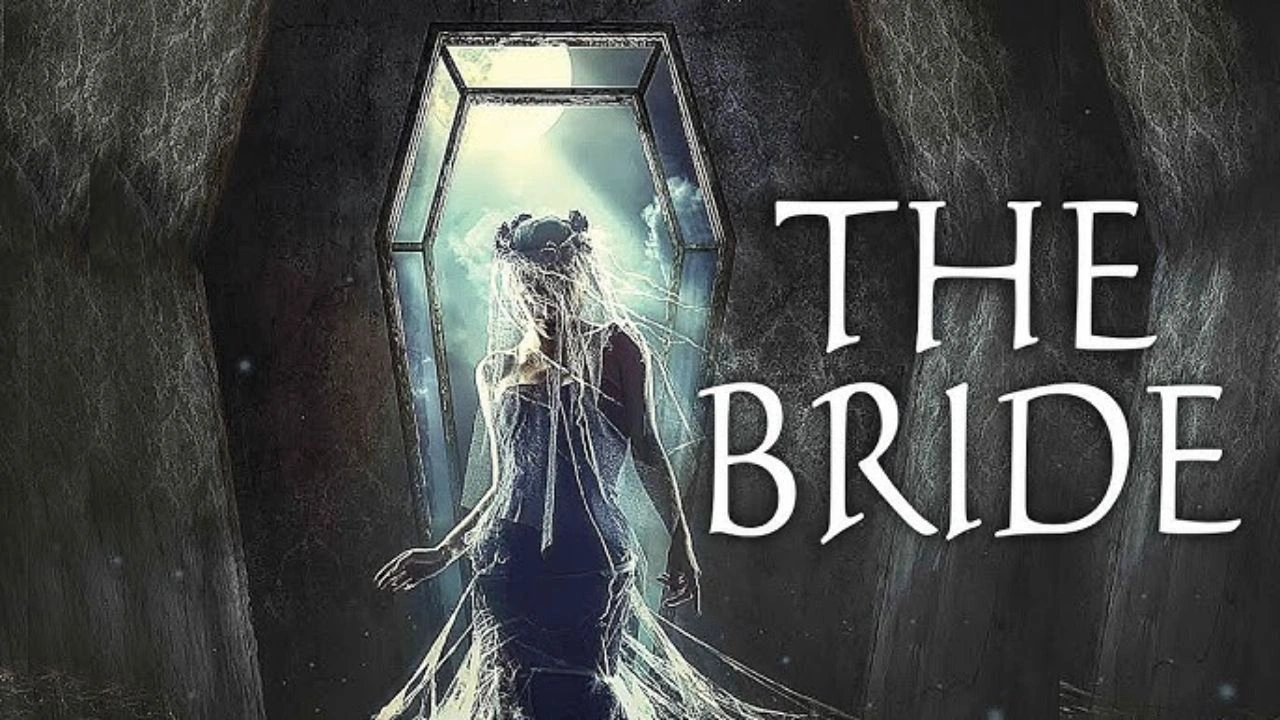
The Bride! Movie: A resurrected woman, a lonely monster, and a city on the brink of transformation collide in this bold reimagining.
Few literary myths have endured like Mary Shelley’s Frankenstein. Across two centuries, the tale of a scientist who defies nature and creates life has inspired countless adaptations. Yet one character has remained largely unexplored — the Bride.
In “The Bride!” (2026), director and writer Maggie Gyllenhaal reimagines this iconic figure through a striking new lens. Set in 1930s Chicago, the film follows Frankenstein as he seeks help from Dr. Euphronius to create a companion. They resurrect a murdered woman, bringing her back as the Bride — a being whose existence sparks romance, political upheaval, and profound social change.
Starring Jessie Buckley, Jake Gyllenhaal, and Christian Bale, this genre-blending drama weaves together horror, romance, science fiction, and historical commentary. Scheduled for release on March 6, 2026 (United Kingdom), the film promises to reshape one of horror’s most enduring myths.
A Radical Reimagining of a Gothic Classic
Traditional Frankenstein adaptations focus primarily on the monster — his creation, his loneliness, and his rejection. The Bride has often appeared only briefly, portrayed as a silent figure of horror.
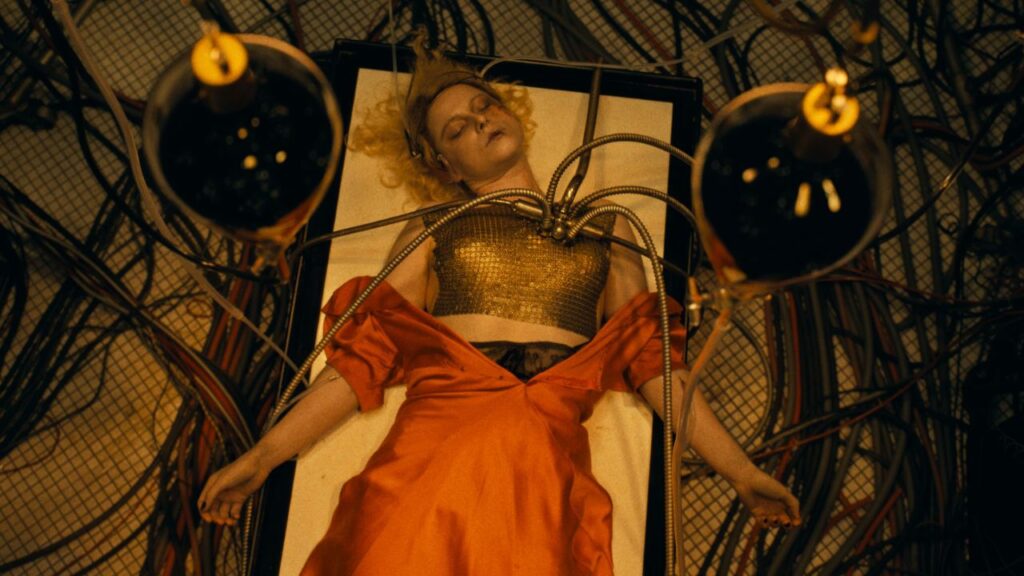
But The Bride! shifts the narrative.
Instead of being a passive creation, the Bride becomes the emotional and ideological center of the story. Maggie Gyllenhaal’s script imagines what happens when the resurrected woman awakens not merely as a companion but as an individual with agency, memory, and desire.
This approach transforms the narrative from a tale of scientific hubris into one of identity, autonomy, and rebellion.
1930s Chicago: A Perfect Backdrop for Transformation
Setting the story in 1930s Chicago adds a rich historical texture.
The era was marked by:
- The Great Depression
- Organized crime
- Labor movements
- Cultural rebellion
- Social unrest
Chicago becomes more than a backdrop — it becomes a character. The city’s grit, glamour, and turmoil mirror the Bride’s own awakening.
The industrial skyline, smoky jazz clubs, underground laboratories, and shadowy alleyways create a cinematic environment steeped in gothic tension and period authenticity.
In a decade defined by survival and reinvention, the resurrection of a murdered woman takes on symbolic weight.
The Characters: Complex and Morally Layered
Jessie Buckley as the Bride
Jessie Buckley takes on the titular role — a character reborn into a world that does not understand her.
Unlike previous portrayals, this Bride is not voiceless. She questions her creation, She examines her identity. She refuses to exist solely for someone else’s comfort.
Buckley’s performance is expected to balance vulnerability with fierce independence. The emotional core of the film rests on her transformation from victim to symbol of change.
Jake Gyllenhaal as Frankenstein
Jake Gyllenhaal portrays Frankenstein — not merely as a mad scientist, but as a deeply flawed visionary.
In this retelling, Frankenstein is less of a caricature and more of a tragic figure. His motivations may stem from loneliness, obsession, or misguided idealism.
The decision to resurrect a murdered woman complicates his morality. Is he seeking redemption? Or control?
Christian Bale as Dr. Euphronius
Christian Bale’s Dr. Euphronius introduces intellectual tension. As Frankenstein’s collaborator, he represents scientific pragmatism — perhaps even opportunism.
His involvement suggests that the resurrection is not just a personal experiment, but part of a larger ideological ambition.
Themes Explored in The Bride!
Autonomy and Identity
The central question of the film is simple yet profound: Who is the Bride?
Is she the murdered woman she once was?
Is she a constructed identity shaped by Frankenstein?
Or is she something entirely new?
By exploring her inner life, the film challenges traditional narratives that treat her as an object rather than a subject.
Love Versus Ownership
The notion of creating a “companion” carries disturbing implications. Can love exist when one party is engineered for another’s needs?
The Bride’s romantic entanglement — whether with Frankenstein or beyond — becomes a battleground for autonomy.
Radical Social Change
The synopsis hints at broader social consequences. The Bride’s existence sparks public attention and police interest. Her resurrection becomes political.
In 1930s Chicago, a resurrected woman could become:
- A symbol of scientific rebellion
- A threat to religious orthodoxy
- An icon for women’s autonomy
Her very presence disrupts societal norms.
Maggie Gyllenhaal’s Vision
Maggie Gyllenhaal has already demonstrated her storytelling depth with previous directorial work. With The Bride!, she steps into larger-scale territory while maintaining emotional nuance.
Her vision likely emphasizes:
- Character-driven storytelling
- Gothic romanticism
- Psychological complexity
- Feminist reinterpretation
Rather than focusing solely on horror spectacle, Gyllenhaal appears intent on crafting a film that lingers emotionally.
Genre Fusion: Horror Meets Romance and Drama
The film’s genre blend is ambitious.
Horror
Expect classic gothic elements:
- Dark laboratories
- Storm-lit resurrection sequences
- Haunting imagery
But the horror may lean more psychological than visceral.
Romance
At its core, The Bride! explores relationships — flawed, obsessive, tender, and destructive.
Romantic tension will likely drive much of the narrative.
Sci-Fi
The scientific resurrection concept anchors the story in speculative fiction, inviting philosophical questions about life and ethics.
Drama
The human cost of resurrection — emotionally and socially — grounds the film in dramatic realism.
A Feminist Reclamation of a Classic Myth
Historically, the Bride has symbolized fear of female autonomy. In early adaptations, her rejection of Frankenstein’s monster is portrayed as monstrous itself.
Gyllenhaal’s version appears to invert that trope.
The Bride’s rejection of imposed identity may be framed not as horror, but empowerment.
By giving her voice, choice, and complexity, the film reclaims a character long confined to a single scream.
Cinematic Aesthetic and Atmosphere
While official imagery remains limited, expectations for visual style include:
- Art Deco influences
- Moody black-and-gold palettes
- Period-accurate costume design
- Stark contrasts between industrial Chicago and intimate spaces
The resurrection sequence will likely serve as a visual centerpiece — blending gothic horror with poetic symbolism.
Cultural Relevance in 2026
In a modern era increasingly interested in reinterpreting classic narratives through contemporary lenses, The Bride! feels timely.
Audiences are drawn to stories that:
- Re-examine historical myths
- Elevate marginalized perspectives
- Blend genre with social commentary
By focusing on the Bride’s agency, the film aligns with broader cultural conversations about identity and autonomy.
Anticipation and Industry Impact
With a high-profile cast and a visionary director, The Bride! stands as one of 2026’s most anticipated genre films.
Its success could:
- Revitalize gothic romance cinema
- Inspire further reinterpretations of classic horror
- Elevate Maggie Gyllenhaal’s standing as a filmmaker
The March 2026 release date positions it strategically in the early-year awards corridor — particularly for performance categories.
Potential Legacy
If successful, The Bride! may become:
- A defining feminist gothic film
- A benchmark for literary reinterpretations
- A turning point in Frankenstein adaptations
Rather than retelling Shelley’s original narrative, it expands the mythos.
Official Trailer – The Bride! Movie
Conclusion: A Resurrection of Meaning
The Bride! is more than a monster movie. It is a meditation on life, love, and liberation.
By placing a resurrected woman at the center of social and emotional upheaval, Maggie Gyllenhaal reframes a centuries-old myth for modern audiences.
In 1930s Chicago — amid jazz, poverty, and revolution — a woman awakens from death. But she is not merely a companion.
She is a force.
Her existence challenges science, Her choices challenge love, Her presence challenges society itself.
If executed with the depth suggested by its premise and cast, The Bride! could stand as one of the most daring and resonant films of 2026.